HIV Treatment and Management: A Comprehensive Guide
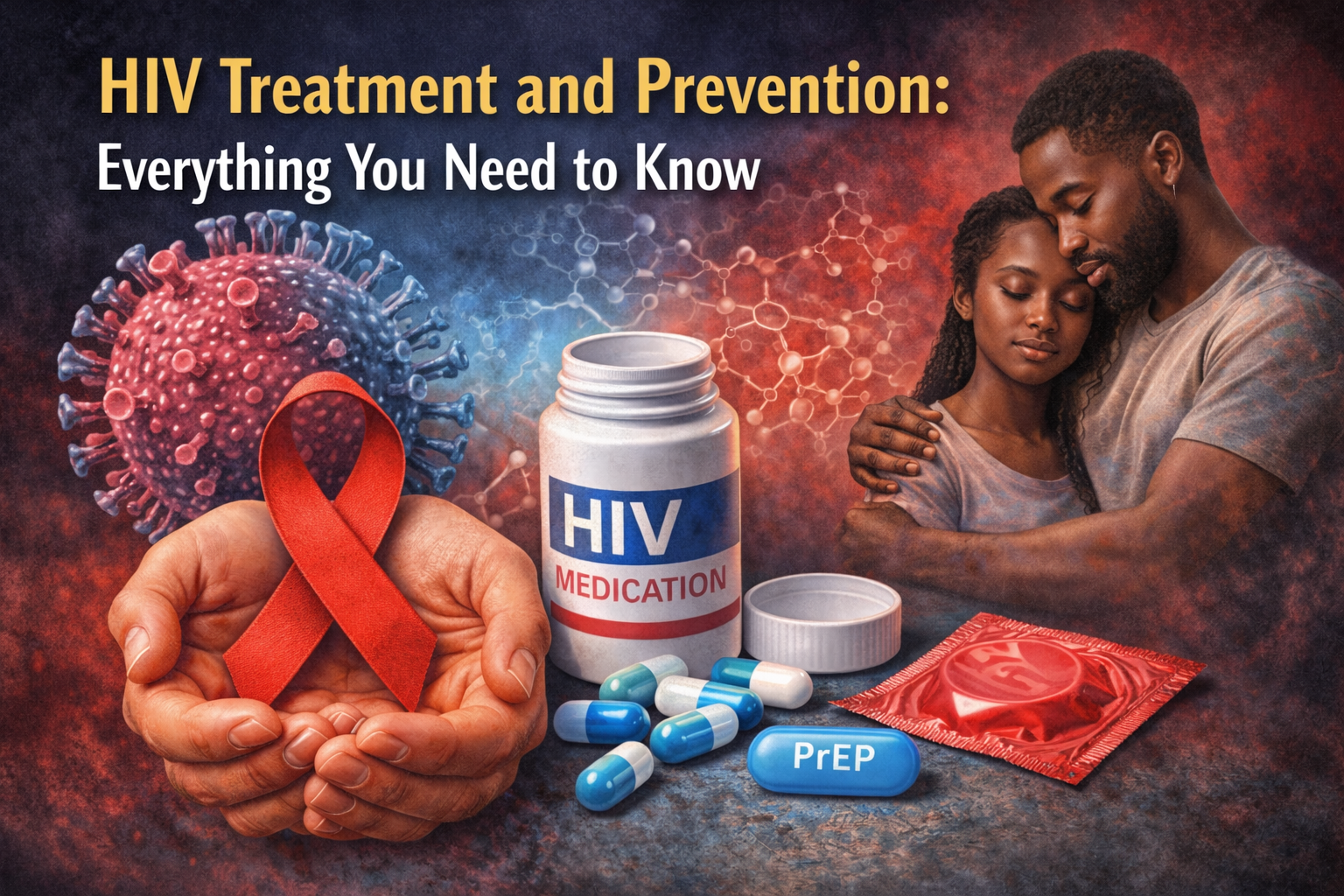
Human Immunodeficiency Virus (HIV) is a chronic condition that attacks the immune system, making individuals more vulnerable to infections and diseases. While there is no cure for HIV, advancements in medical science have made it possible to manage the virus effectively with proper treatment and lifestyle adjustments. Early diagnosis and adherence to antiretroviral therapy (ART) can help people with HIV lead healthy lives.
Understanding HIV Symptoms
HIV symptoms vary depending on the stage of infection:
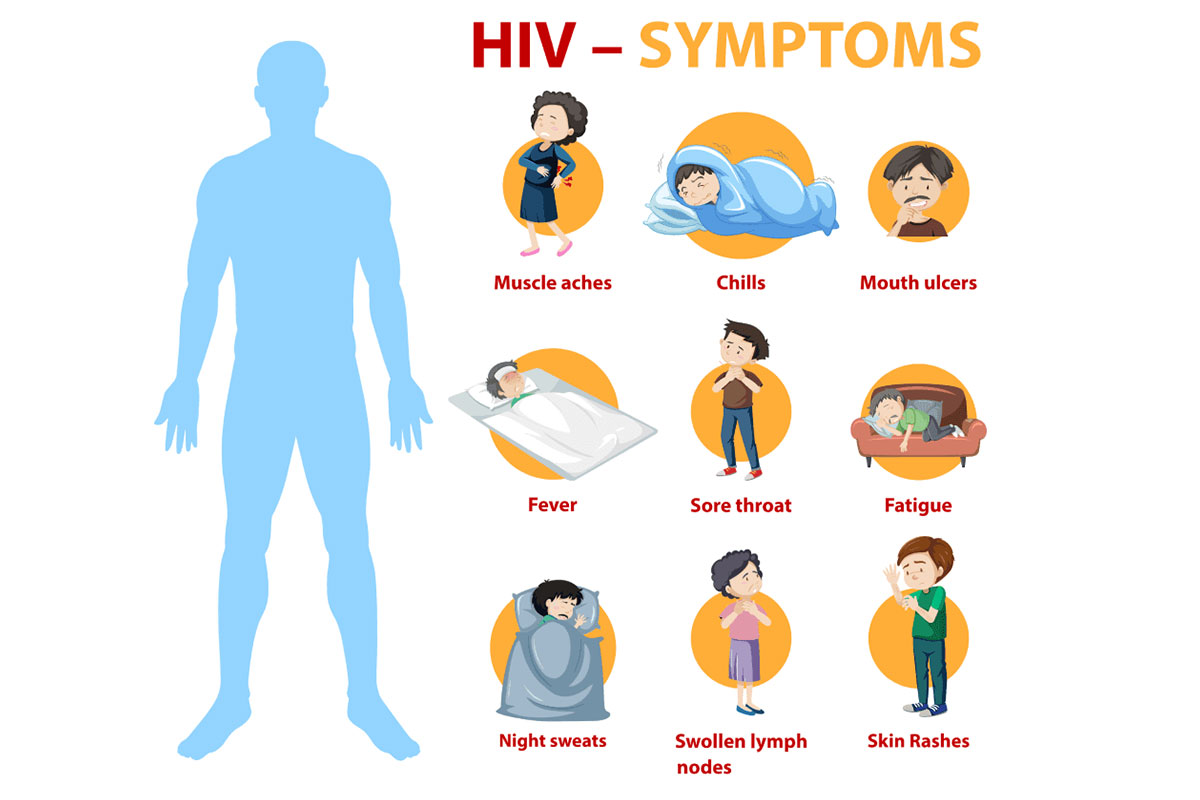
Acute HIV Infection (2-4 weeks after exposure)
- Fever
- Chills
- Sore throat
- Fatigue
- Swollen lymph nodes
- Rash
- Muscle aches
Chronic HIV (Asymptomatic or Latent Stage)
- The virus remains active but reproduces at low levels.
- Symptoms may not be noticeable for years without treatment.
Advanced HIV (AIDS – Acquired Immunodeficiency Syndrome)
- Rapid weight loss
- Recurring fever or night sweats
- Chronic diarrhea
- Prolonged fatigue
- Skin rashes or sores
- Opportunistic infections like pneumonia or tuberculosis
Recognizing early symptoms and getting tested can lead to timely intervention and better health outcomes.
HIV Treatment Options
HIV treatment primarily involves antiretroviral therapy (ART), which helps reduce the viral load, strengthen the immune system, and prevent transmission.

Classes of Antiretroviral Drugs
- Nucleoside Reverse Transcriptase Inhibitors (NRTIs) – Block the virus from copying its genetic material.
- Examples: Zidovudine, Lamivudine, Tenofovir
- Non-Nucleoside Reverse Transcriptase Inhibitors (NNRTIs) – Prevent HIV from replicating by targeting reverse transcriptase.
- Examples: Efavirenz, Nevirapine
- Protease Inhibitors (PIs) – Block the protease enzyme, preventing the virus from maturing.
- Examples: Lopinavir, Ritonavir
- Integrase Inhibitors – Prevent HIV from inserting its genetic material into human DNA.
- Examples: Raltegravir, Dolutegravir
- Entry Inhibitors (CCR5 Antagonists & Fusion Inhibitors) – Block the virus from entering immune cells.
- Examples: Maraviroc, Enfuvirtide
Combination Therapy (ART Regimens)
Most HIV treatments involve a combination of drugs from different classes to effectively suppress the virus. Single-tablet regimens (e.g., Biktarvy, Atripla) simplify adherence.
Preventive Measures for HIV
- Pre-Exposure Prophylaxis (PrEP): A daily pill (e.g., Truvada, Descovy) for individuals at high risk.
- Post-Exposure Prophylaxis (PEP): Emergency treatment taken within 72 hours after potential exposure.
- Safe Practices: Using condoms, avoiding needle-sharing, and regular HIV testing.
- Mother-to-Child Prevention: ART during pregnancy and birth to reduce transmission risk.
Managing HIV: Lifestyle and Support
- Healthy Diet: Nutritious food boosts the immune system.
- Regular Exercise: Strengthens overall health and reduces stress.
- Mental Health Support: HIV can impact emotional well-being; counseling and support groups help.
- Consistent Medical Care: Routine check-ups ensure treatment effectiveness.
Common Myths and Facts About HIV
Myth: HIV can be spread through casual contact like hugging or sharing food.
Fact: HIV spreads through blood, semen, vaginal fluids, and breast milk—not casual touch.
Myth: Only certain groups of people get HIV.
Fact: HIV can affect anyone, regardless of age, gender, or background.
Myth: HIV-positive individuals cannot have healthy relationships or children.
Fact: With treatment, HIV-positive individuals can have healthy relationships and children without transmission.
Conclusion
HIV management has significantly improved with the advancement of ART, allowing individuals to live longer and healthier lives. Early detection, proper medication, and preventive measures can help control the spread of the virus. Awareness, education, and eliminating stigma are crucial in the fight against HIV. If you or someone you know is at risk, seek medical guidance and get tested regularly.