Introduction
Rybelsus 14 mg is an oral prescription medicine containing semaglutide, which belongs to a group of medicines called GLP-1 receptor agonists. It is primarily used to help improve blood sugar control in adults with type 2 diabetes, along with a suitable diet and regular physical activity.
Rybelsus works by helping the body release insulin when blood sugar levels are elevated. It can also reduce the amount of glucose released by the liver and slow stomach emptying, which can affect appetite and digestion.
This educational guide explains Rybelsus 14 mg, including its uses, how it works, dosage considerations, possible side effects, precautions, and important safety information.
What Is Rybelsus 14 mg?
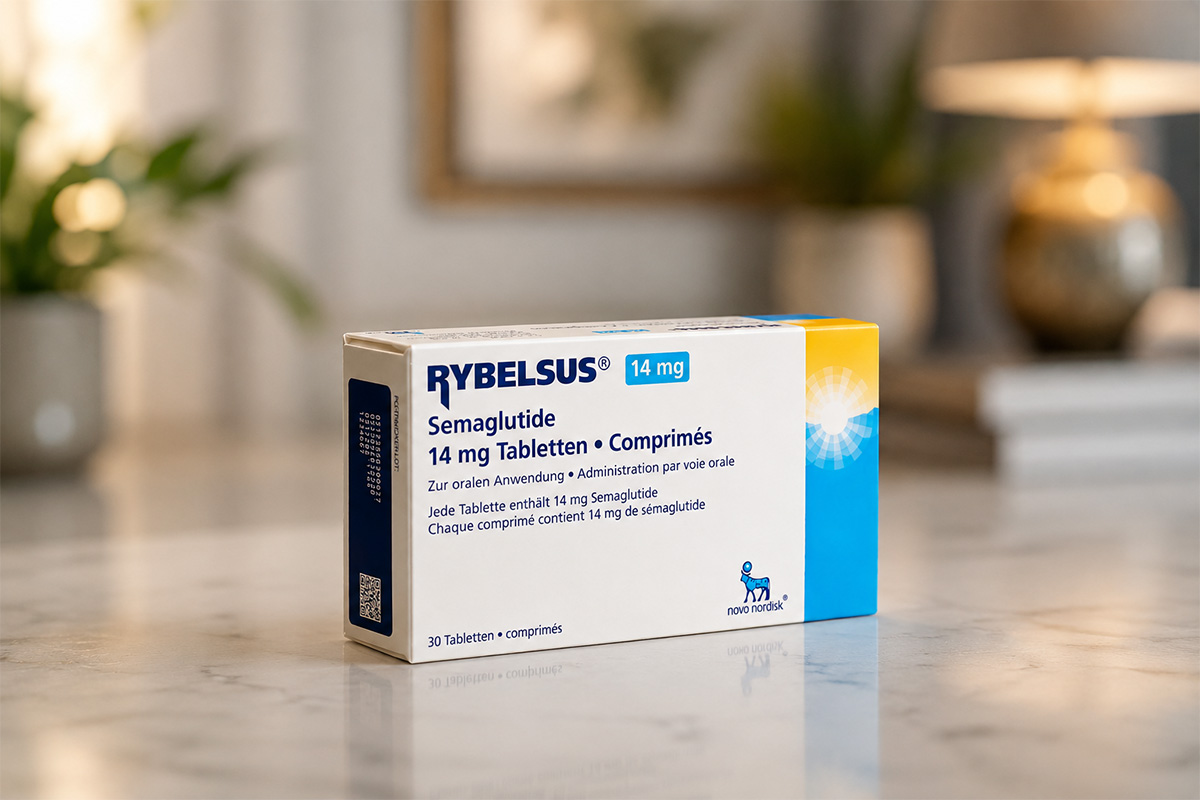
Rybelsus 14 mg contains 14 mg of semaglutide in an oral tablet. Semaglutide mimics the action of a naturally occurring hormone called GLP-1 (glucagon-like peptide-1).
GLP-1 plays an important role in regulating blood glucose and appetite. By activating GLP-1 receptors, semaglutide can help improve blood sugar control in people with type 2 diabetes.
Rybelsus is a prescription medicine and should be used according to medical advice.
Rybelsus 14 mg Uses
The main Rybelsus 14 mg uses include:
Type 2 Diabetes Management
Rybelsus is used along with diet and exercise to improve blood sugar control in adults with type 2 diabetes.
It may be prescribed alone or together with other diabetes medicines, depending on individual treatment needs.
Blood Sugar Control
Semaglutide can help lower blood glucose by improving insulin release when blood sugar levels are elevated and reducing glucagon secretion.
Supporting Weight Management
Some people taking semaglutide experience reduced appetite and weight loss. However, Rybelsus should be used according to its approved indication and should not be taken solely for weight loss unless specifically advised by a healthcare professional.
How Does Rybelsus 14 mg Work?
The active ingredient in Rybelsus 14 mg, semaglutide, acts similarly to the body’s natural GLP-1 hormone.
It can:
- Increase insulin release when blood glucose is high.
- Reduce glucagon release.
- Slow the movement of food through the stomach.
- Help regulate appetite and food intake.
Together, these effects can help improve blood sugar control.
Benefits of Rybelsus 14 mg
When prescribed appropriately, Rybelsus 14 mg may provide several therapeutic benefits.
Helps Improve Blood Sugar Control
Semaglutide can help lower elevated blood glucose levels in adults with type 2 diabetes.
Oral Treatment Option
Unlike injectable GLP-1 medicines, Rybelsus is available as an oral tablet.
May Support Weight Reduction
Reduced appetite and weight loss can occur in some people taking semaglutide. The amount of weight change varies from person to person.
Rybelsus 14 mg Dosage
Rybelsus 14 mg is not usually the starting dose. Treatment is generally started at a lower strength and gradually increased according to the prescribing instructions and individual tolerance.
The commonly used escalation schedule involves:
- Starting with 3 mg once daily.
- After at least 30 days, increasing to 7 mg once daily.
- If additional blood sugar control is required, the dose may be increased to 14 mg once daily after appropriate medical assessment.
Do not start with 14 mg unless specifically instructed by your healthcare professional.
How to Take Rybelsus 14 mg
Rybelsus has specific administration instructions because food and liquids can affect how much semaglutide the body absorbs.
The tablet should generally be:
- Taken once daily.
- Taken on an empty stomach after an overnight fast.
- Taken with a small amount of plain water.
- Swallowed whole.
- Taken at least 30 minutes before eating, drinking, or taking other oral medicines.
Do not crush, split, or chew the tablet unless your healthcare professional specifically advises otherwise.
Possible Side Effects
Like other medicines, Rybelsus 14 mg can cause side effects.
Common side effects may include:
- Nausea
- Diarrhea
- Vomiting
- Abdominal pain
- Reduced appetite
- Constipation
- Feeling full
- Indigestion
These effects may be more noticeable when treatment is first started or when the dose is increased.
Serious Side Effects
Some reactions require prompt medical attention.
Contact a healthcare professional if you experience symptoms such as:
- Severe or persistent abdominal pain
- Severe vomiting or diarrhea
- Signs of dehydration
- Symptoms of an allergic reaction
- Changes in vision
- Symptoms suggesting gallbladder problems
Severe abdominal pain that may radiate to the back can require urgent assessment because it may indicate pancreatitis.
Precautions Before Taking Rybelsus 14 mg
Before using Rybelsus 14 mg, tell your healthcare professional if you:
- Have a history of pancreatitis.
- Have gallbladder problems.
- Have kidney problems.
- Have diabetic retinopathy.
- Have severe gastrointestinal problems.
- Are pregnant or planning pregnancy.
- Are breastfeeding.
- Have a personal or family history of medullary thyroid carcinoma.
- Have multiple endocrine neoplasia syndrome type 2.
- Take insulin or medicines that can cause low blood sugar.
Your doctor can determine whether Rybelsus is appropriate based on your medical history.
Rybelsus 14 mg and Low Blood Sugar
Rybelsus itself does not commonly cause hypoglycemia when used alone. However, the risk of low blood sugar can increase when it is combined with insulin or certain diabetes medicines such as sulfonylureas.
Possible symptoms of low blood sugar include:
- Shaking
- Sweating
- Hunger
- Dizziness
- Confusion
- Weakness
- Fast heartbeat
If you use Rybelsus with other diabetes medicines, your doctor may adjust their doses to reduce this risk.

Rybelsus 14 mg and Pregnancy
Rybelsus is generally not recommended during pregnancy because maintaining appropriate blood sugar control during pregnancy requires a treatment plan specifically designed for pregnancy.
If you are pregnant, planning pregnancy, or become pregnant while taking Rybelsus, speak with your healthcare professional promptly.
Rybelsus 14 mg and Weight Loss
Semaglutide can reduce appetite and may lead to weight loss in some people.
However, Rybelsus 14 mg is primarily a diabetes medicine, and it should not be self-used as a weight-loss treatment.
Healthy eating, physical activity, adequate sleep, and professional medical guidance remain important parts of long-term weight management.
Drug Interactions
Rybelsus may affect the absorption of other medicines because it can delay stomach emptying.
Tell your doctor or pharmacist about all medicines you take, including:
- Diabetes medicines
- Insulin
- Thyroid medicines
- Blood pressure medicines
- Prescription medicines
- Over-the-counter medicines
- Vitamins and supplements
Follow your healthcare professional’s instructions about the timing of other oral medicines.
Lifestyle Tips for Better Diabetes Management
Medication works best when combined with healthy lifestyle habits.
Follow a Balanced Diet
Choose nutritious foods with appropriate portions of vegetables, whole grains, lean protein, and healthy fats.
Stay Physically Active
Regular physical activity can help improve insulin sensitivity and support healthy blood sugar levels.
Monitor Blood Sugar
Follow your healthcare professional’s recommendations for checking blood glucose.
Stay Hydrated
Adequate fluid intake is particularly important if nausea, vomiting, or diarrhea occurs.
Attend Regular Checkups
Regular medical appointments help monitor blood sugar, kidney function, eye health, weight, and overall treatment response.
Frequently Asked Questions
What is Rybelsus 14 mg used for?
Rybelsus 14 mg is used with diet and exercise to improve blood sugar control in adults with type 2 diabetes.
Is Rybelsus 14 mg insulin?
No. Rybelsus contains semaglutide, a GLP-1 receptor agonist. It is not insulin.
Is Rybelsus 14 mg the starting dose?
No. Treatment is generally started at a lower dose and increased gradually to help the body adjust and reduce gastrointestinal side effects.
Can Rybelsus 14 mg help with weight loss?
Weight loss can occur with semaglutide, but Rybelsus should be used according to its approved medical indication and under professional guidance.
Can Rybelsus 14 mg be taken with food?
Rybelsus has specific administration requirements. It is generally taken on an empty stomach with a small amount of plain water and should be taken at least 30 minutes before eating, drinking, or taking other oral medicines.
What are common side effects of Rybelsus 14 mg?
Nausea, diarrhea, vomiting, abdominal discomfort, constipation, reduced appetite, and indigestion are among the commonly reported side effects.
Conclusion
Rybelsus 14 mg contains semaglutide and is an oral GLP-1 receptor agonist used to improve blood sugar control in adults with type 2 diabetes.
Its effects include improving glucose-dependent insulin release, reducing glucagon secretion, slowing gastric emptying, and influencing appetite. Because the medicine can cause gastrointestinal side effects and has specific administration requirements, it should be used according to a healthcare professional’s instructions.
Rybelsus 14 mg is generally reached after gradual dose escalation rather than being used as an initial dose. Always follow your prescribed treatment plan and discuss any concerns or side effects with your healthcare professional.
Stay connected with Akshar Lifescience on:
- LinkedIn – Akshar Lifescience
- Instagram – Akshar Lifescience
- Facebook – Akshar Lifescience
For more educational articles and healthcare insights, visit the official Akshar Lifescience website.
Disclaimer: This article is intended for educational and informational purposes only and should not be considered medical advice. Mebenza 100 mg Tablet should be used according to the advice of a qualified healthcare professional. Always consult your doctor before starting, stopping, or changing any medication or treatment.